Introduction
Carpets collect more than visible dirt. Food spills, pet accidents, tracked mud, body oils, and moisture can settle deep inside fibres. Ordinary vacuuming removes loose particles, yet stubborn marks often remain below the surface. Professional cleaners assess each affected area before selecting equipment, temperature, pressure, and treatment products. This careful process helps protect carpet construction while improving appearance and freshness. Effective work also addresses hidden residue, which can continue producing unpleasant smells after surface cleaning.
Why Professional Assessment Matters
A carpet cleaning service in Helensvale begins with an inspection of fibre type, stain age, colour stability, and surrounding condition. Technicians identify whether a mark contains grease, protein, tannin, dye, or mineral residue. They also check moisture levels and ventilation. Such details guide product selection and reduce the risk of fading, shrinkage, browning, or texture damage. Each treatment therefore matches the material and the source of contamination.
Removing Fresh Spills
Immediate Response
Fresh spills respond best to prompt action. Cleaners usually blot liquid with absorbent material instead of rubbing the affected patch. Rubbing can spread moisture and force particles deeper into the pile. After excess fluid is removed, a suitable solution loosens remaining residue. Technicians then rinse or extract the area, depending on the carpet type. Rapid treatment improves removal rates and limits lingering discolouration.
Treating Grease-Based Marks
Oil, cooking fat, cosmetics, and greasy food create a different cleaning challenge. Water alone cannot dissolve these substances effectively. Professional operators apply a compatible degreasing agent, allow sufficient contact time, then agitate gently. Hot water extraction can lift loosened particles from the backing and pile. Careful rinsing matters because leftover detergent attracts fresh soil. A controlled process restores cleanliness without leaving a stiff or sticky feel.
Handling Protein Stains
Pet urine, blood, milk, and other organic substances contain proteins that bind to fibres. Enzyme-based products can break down these compounds before extraction. Technicians select formulas according to the material and contamination level. They also inspect the underlay, because liquid may travel beneath the visible mark. Surface treatment alone may fail if the backing remains affected. Deeper extraction helps reduce recurring discolouration and offensive smells.
Managing Odour Sources
Strong smells often indicate residue below the carpet surface. Pet accidents, dampness, smoke, and spilled drinks can affect fibres, backing, and underlay. Cleaners locate the source before applying a deodorising product. Ventilation and drying form important parts of the process. Fragrance may mask an odour briefly, but source removal offers longer-lasting results. Moisture control also reduces conditions that support microbial growth.
Choosing the Right Equipment
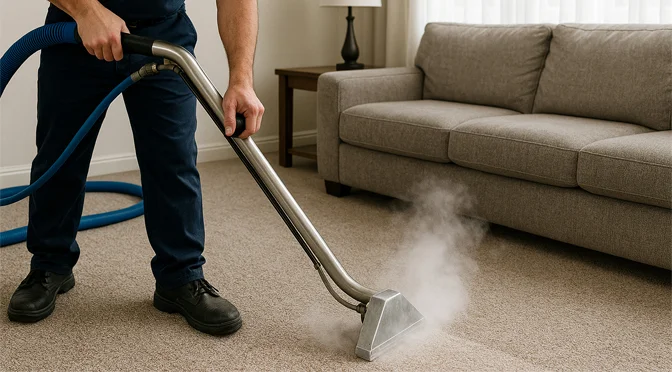
Different carpet constructions require different settings. Portable extraction machines suit many residential rooms, while specialised tools may assist with stairs, edges, or heavily soiled zones. Operators adjust water temperature, vacuum strength, and cleaning speed to suit each surface. Excess moisture can prolong drying and encourage browning. Insufficient suction may leave residue behind. Balanced equipment use supports cleaner results and safer drying.
Preventing Colour Damage
Stain removal products can affect dyes if used without testing. Professionals check an inconspicuous section before treating a prominent area. They consider fibre composition, previous treatments, sunlight exposure, and colourfastness. Strong chemicals are not automatically better. Measured application often protects the original shade more effectively. If a stain has permanently altered the dye, technicians explain realistic results rather than promising complete restoration.
Drying and Final Inspection
Extraction removes much of the cleaning solution and moisture, but air movement still influences drying time. Cleaners may open windows, position fans, or recommend limited foot traffic during recovery. A final inspection checks edges, traffic lanes, treated patches, and odour levels. Any remaining issue can then receive further attention. This closing step helps identify missed residue before furniture and regular activity return.
Maintaining Cleaner Carpets
Regular vacuuming removes abrasive grit before it wears fibre surfaces. Prompt blotting also limits liquid spread and reduces absorption. Door mats can capture soil near entrances, while washable rugs protect busy areas. Professional cleaning intervals depend on household traffic, pets, children, and indoor air conditions. Scheduled care supports appearance and may extend carpet service life. Owners should follow product guidance and avoid untested household chemicals.
Conclusion
Tough stains and persistent odours require more than a quick surface pass. Skilled technicians identify contamination, test materials, choose suitable agents, and control moisture during extraction. Their method addresses both visible marks and hidden sources beneath the pile. Homeowners can support results through prompt blotting, routine vacuuming, sensible ventilation, and timely professional attention. With consistent care, carpets can remain cleaner, fresher, and more comfortable for longer periods.