Introduction
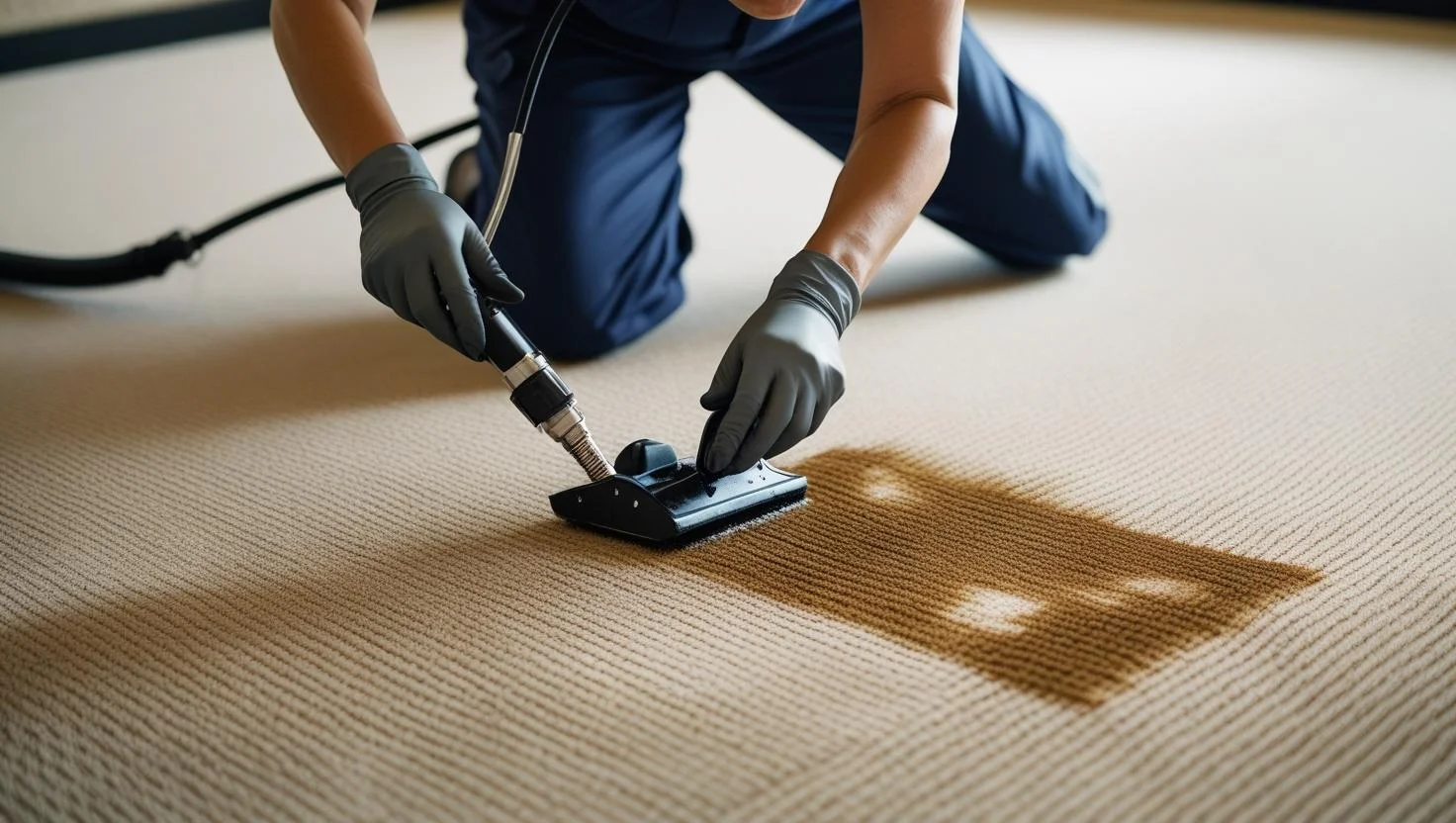
Deep-set stains develop when spills, soil, oils, and moisture travel beneath carpet fibres. Repeated walking then presses those particles into the pile and backing. Household sprays may improve the visible mark while leaving hidden residue behind. Professional treatment uses inspection, measured chemistry, controlled heat, agitation, and powerful extraction. Each stage targets a different cause, helping restore appearance without damaging colour, texture, or structural support. Correct methods also reduce drying problems and lingering odours after treatment.
Why Stains Become Deep-Set
Deep-set marks often resist household treatment because particles settle below surface fibres. Adelaide residents seeking carpet cleaning in Adelaide can assess whether a technician uses fibre-safe solutions, measured heat, and powerful extraction. Those steps reach embedded soil without saturating the backing. A proper inspection also identifies dye loss, moisture risk, and the correct treatment for wool, nylon, or polyester.
Inspection Comes First
A technician begins by identifying the fibre type, stain source, affected area, and previous products. Water-based spills respond differently from grease, protein, ink, or pet contamination. Colourfastness testing on a hidden section helps prevent bleaching or dye transfer. Moisture checks also reveal whether older spills have reached the underlay. This information determines the safest sequence.
Pre-Treatment Breaks Soil Bonds
Pre-treatment loosens oils and particles before deep rinsing starts. Alkaline solutions can target greasy soil, while mildly acidic products help manage mineral deposits. Protein-based marks require different chemistry from coffee or mud. Application time matters because rushed removal leaves bonded residue behind. Technicians usually agitate the pile gently, allowing the solution to spread through dense areas.
Heat Activates the Process
Controlled heat helps cleaning agents dissolve oily deposits and soften compacted grime. Temperature must match the fibre, dye, and carpet construction. Excessive heat can shrink wool or damage sensitive materials. Professional equipment regulates water temperature and pressure more reliably than many domestic machines. This balance improves soil release while limiting stress on the carpet backing.
Extraction Removes Hidden Residue
Rinsing alone does not guarantee a clean result. Powerful vacuum extraction pulls away suspended soil, dissolved oils, and used cleaning solution. Multiple passes may be needed across heavily trafficked sections. Reduced moisture supports faster drying and lowers the chance of wick-back, where dissolved material returns to the surface. Carpet commonly dries within six to 24 hours, depending on airflow, humidity, and pile density.
Fibre Type Changes the Method
Synthetic nylon and polyester carpets generally tolerate stronger agitation than wool or plant-based fibres. Wool needs lower heat, controlled moisture, and balanced chemistry because its scales can react to rough treatment. Berber construction also requires careful pressure control to prevent snagging or pile distortion. Experienced technicians adjust each variable rather than applying one routine across every room.
DIY Methods Often Fall Short
Store-bought products can mask a mark while pushing residue deeper. Over-wetting may spread liquid into the underlay, creating a larger affected area. Scrubbing can roughen fibres and produce a lighter patch that remains visible after drying. Domestic machines also remove less moisture than truck-mounted systems. Professional treatment addresses both the surface appearance and the material below.
Handling Odour and Recurring Marks
Persistent odour often indicates contamination beneath the visible pile. Technicians locate the source, remove residues, and apply a suitable neutralising treatment. Pet urine may require separate attention because salts can remain in backing materials. Recurring stains may result from wick-back, damaged fibres, or an untreated underlay. Finding that cause prevents repeated surface cleaning with limited improvement.
Measuring a Successful Result
A useful assessment considers stain reduction, remaining odour, fibre condition, drying time, and visible uniformity. Complete removal is not always possible when dyes have permanently altered the fibre. However, professional methods can often improve contrast and reduce residue significantly. Photographs taken before and after treatment provide a simple comparison. Clear expectations also help residents judge the outcome fairly.
Conclusion
Professional carpet cleaning tackles deep-set stains through a controlled sequence rather than one spray or extraction pass. Inspection identifies the material and contaminant, while pre-treatment loosens embedded soil. Measured heat supports chemical action, and strong vacuum recovery removes moisture and residue. Fibre-specific adjustments protect delicate surfaces. When drying conditions remain suitable, the result can include cleaner appearance, fewer recurring marks, reduced odour, and longer carpet service life.